
Case Study: Transforming a School's Cleanliness Standards


Maintaining a clean and healthy environment in schools is essential for the well-being and productivity of students and staff. Yet, many institutions struggle to meet high cleanliness standards due to outdated practices and limited resources. In this case study, we explore the transformative journey of a school that successfully elevated its cleanliness standards, resulting in a healthier and more engaging learning environment.
Understanding the Challenges
Before implementing any changes, the school faced several challenges. The cleaning staff was under-equipped and lacked training, leading to inconsistent results. Additionally, there was minimal awareness among students and teachers about the importance of maintaining a clean environment.
The administration recognized the need for a comprehensive strategy that would address these issues while fostering a culture of cleanliness and responsibility.
Developing a Strategic Plan
To tackle these challenges, the school collaborated with a professional cleaning consultancy. Together, they developed a strategic plan focusing on three main areas: staff training, resource allocation, and community engagement.
- Staff Training: The cleaning staff underwent extensive training sessions to learn about modern cleaning techniques and the importance of hygiene.
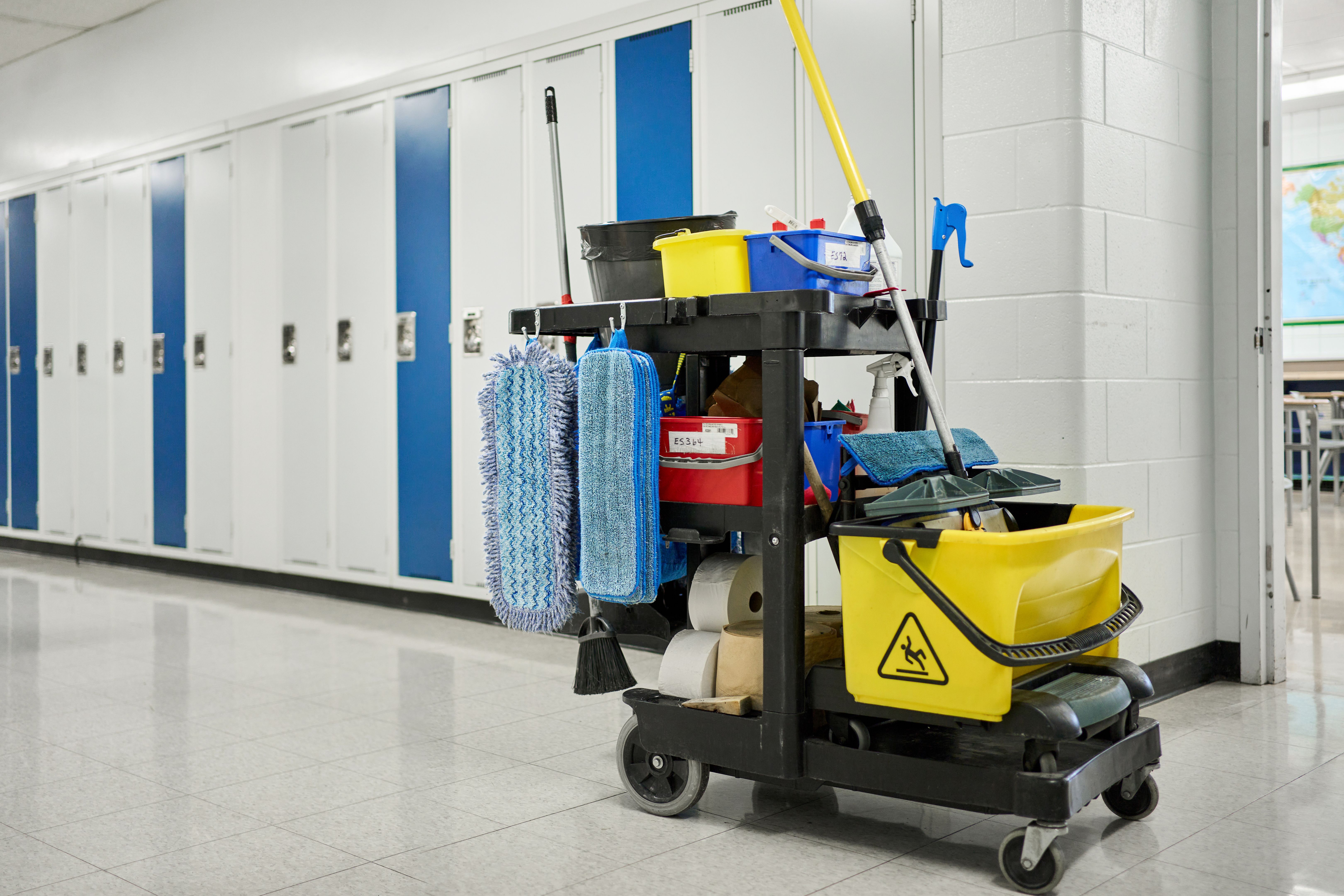
- Resource Allocation: The school invested in advanced cleaning equipment and eco-friendly cleaning products to enhance efficiency and sustainability.
- Community Engagement: Workshops and seminars were organized for students and teachers to promote awareness and encourage active participation in maintaining cleanliness.
Implementing the Changes
With a clear plan in place, the school started implementing changes across the campus. The cleaning staff was equipped with new tools and technologies, allowing them to work more effectively and cover larger areas in less time.
The administration also introduced a reward system to motivate students and teachers to contribute to cleanliness efforts, fostering a sense of ownership and responsibility.

Measuring Success
Post-implementation, the school saw significant improvements in cleanliness and hygiene levels. Regular audits and feedback mechanisms were established to ensure the standards were consistently met and any issues were promptly addressed.
- Improved Hygiene: There was a noticeable reduction in illnesses and absenteeism among students and staff.
- Enhanced Environment: The overall atmosphere became more welcoming and conducive to learning.
- Positive Feedback: Both parents and visitors commended the school's commitment to cleanliness and student welfare.

Lessons Learned
This case study highlights several key lessons for other schools aiming to improve their cleanliness standards. First, investing in staff training and modern resources is crucial for achieving sustainable results. Second, engaging the entire school community fosters a culture of cleanliness and responsibility that goes beyond routine maintenance.
By prioritizing these elements, schools can create a healthier learning environment that supports both academic success and personal well-being.