
Why Regular 學校清潔 is Essential for a Healthy Learning Environment


Maintaining a clean school environment is crucial for fostering a healthy and productive learning atmosphere. Regular 學校清潔 not only promotes hygiene but also enhances the overall educational experience for both students and staff.
The Importance of Hygiene in Schools
Schools are high-traffic areas where germs and bacteria can spread rapidly. Regular cleaning helps to minimize the risk of infections and illnesses. This is particularly vital during flu season or when dealing with contagious diseases.

By ensuring that surfaces, classrooms, and common areas are sanitized, schools can significantly reduce absenteeism due to health-related issues. This, in turn, supports consistent learning and academic performance.
Impact on Student Health and Well-being
Clean environments contribute to the mental and physical well-being of students. When students are in a clean setting, they are more likely to focus better and engage more actively in their studies. A clean school symbolizes a safe and welcoming space, encouraging students to attend regularly.
Moreover, maintaining cleanliness in schools helps in reducing allergies and asthma triggers, providing relief to students who suffer from such conditions.

Enhancing Academic Performance
There is a direct correlation between a clean school environment and improved academic performance. Cluttered and dirty surroundings can lead to distractions, making it difficult for students to concentrate. Regular cleaning ensures that classrooms are organized and free of distractions, facilitating better learning.
The Role of School Staff
Teachers and administrative staff also benefit from a clean environment. It allows them to focus on their primary responsibilities without the added stress of managing clutter or unsanitary conditions. This leads to higher job satisfaction and better support for students.
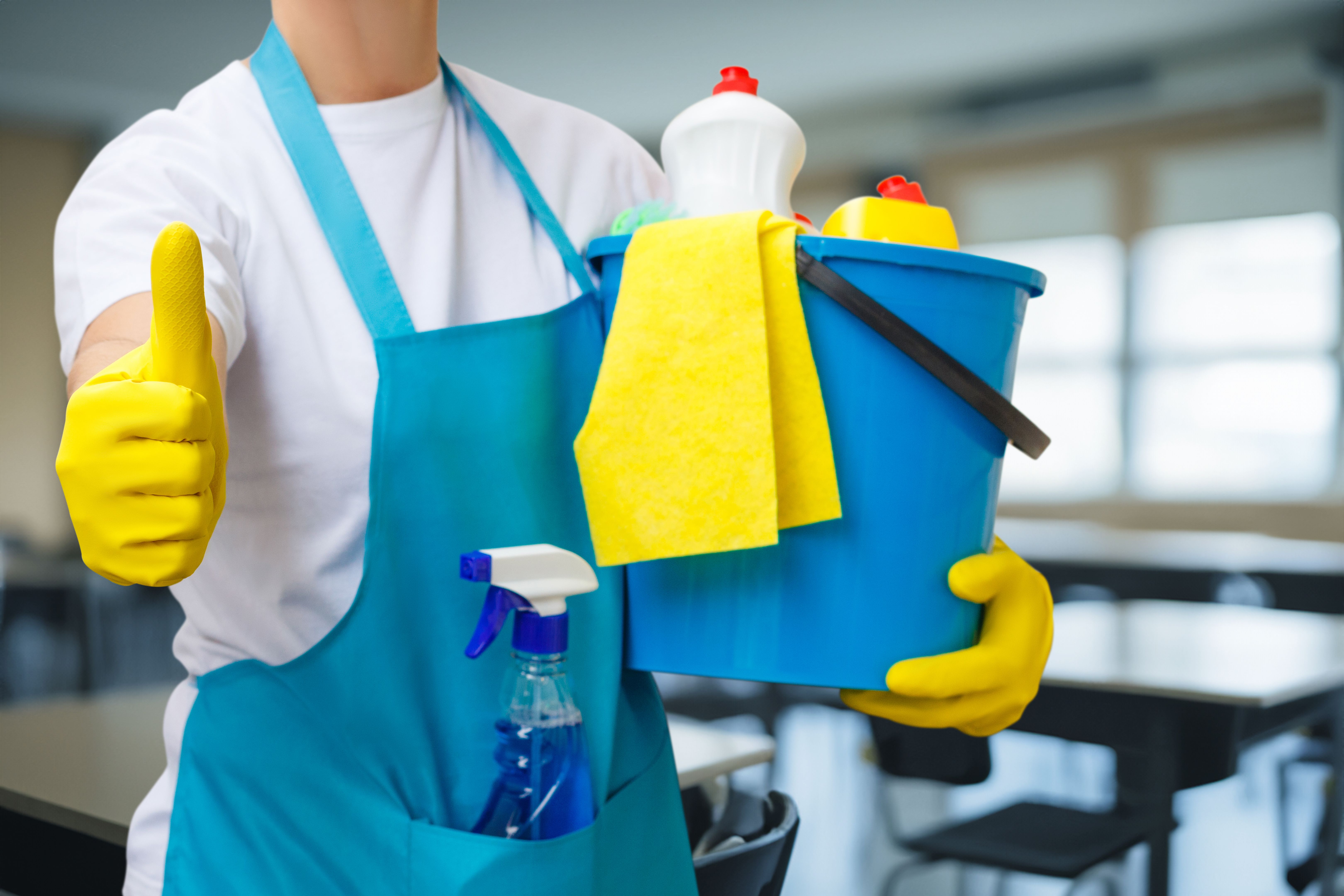
Implementing Effective Cleaning Strategies
Schools can adopt several strategies to ensure effective cleaning practices:
- Developing a comprehensive cleaning schedule that includes daily, weekly, and monthly tasks.
- Using environmentally friendly cleaning products to ensure safety and sustainability.
- Training staff on best practices for cleaning and sanitization.
By implementing these strategies, schools can maintain a high standard of cleanliness, contributing to a healthier learning environment.
Conclusion: A Collective Responsibility
Regular 學校清潔 is not just the responsibility of the cleaning staff; it requires a collective effort from the entire school community. Students, teachers, and administrators must work together to maintain cleanliness and enforce hygiene practices.
By prioritizing cleanliness, schools can create a safe, healthy, and conducive learning environment that benefits everyone.